Featured Post

Review: Southern Pines Golf Club (Part 1)

For our final golf course on this North Carolina getaway, we turn to Southern Pines, which would appear on a surface level to be the third m...

Showing posts with label funny medical news. Show all posts

Wednesday, June 4, 2025

Schistosoma mansoni’s Big Adventure

To most people, a bathroom is a purely practical thing. You go, you do your business, and you leave. It is not a place to be celebrated. But archaeologists aren’t most people. To them, discovering an old toilet buried in the earth is a window into the day-to-day life of a person who’s been dead for hundreds, if not thousands of years. Sure, that does mean digging through old poop, but the things that can be learned are so worth it.

Case in point, a study was recently published in Parasitology about a new discovery found in a 500-year-old latrine in Bruges, Belgium. Within that latrine, located inside what served as a meeting house and administrative seat for the Spanish merchant community in the city, the researchers found an egg belonging to Schistosoma mansoni, a parasitic flatworm.

S. mansoni is not typically the sort of houseguest one wants in their bathroom. In fact, as the parasite responsible for causing schistosomiasis, a disease that infects 200 million people worldwide and is the second-most deadly parasitic disease — only topped by malaria — it’s kind of the exact opposite of a welcome visitor. Particularly if you’re a Spanish merchant living several hundred years before the advent of a cure for the disease infecting your gut.

For the researchers, though, finding the egg in Belgium helped solve a mystery involving S. mansoni while also demonstrating the connectedness of the world, even in an age before planes, trains, and automobiles.

Today, S. mansoni is endemic throughout the tropics, but it is not native to much of its current range. A thousand years ago, the worm only lived in Africa. Somehow, it managed to find its way across an ocean to South America, and the discovery of the egg in the droppings of a Spanish trader demonstrates how. The Spanish merchants of Bruges were instrumental in the import of commodities from Africa such as gold and ivory, as well as the slave trade. And if this one hapless Spaniard could carry S. mansoni to Belgium, others like him could certainly carry it to all corners of the world.

Not only do the study findings demonstrate the complexity and interconnectedness of urban life, even in medieval times, Maxime Poulain, an archaeologist at Ghent University, said in a press release, it shows how Bruges, an international trade and cultural hub, “inevitably also facilitated the spread of diseases through its strong maritime trade networks.”

Hopefully, as our unfortunate merchant sat upon the toilet in Bruges so many years ago, the foresight that his plight would provide a group of scientists with a fascinating insight into city life and the movement of a nasty tropical disease was enough to provide comfort as the flatworm ransacked his body. Totally worth the debilitating disease.

Thursday, May 29, 2025

Et tu, Plumbum? Then Fall, Caesar’s IQ!

Lead is a very, very bad thing to be exposed to. Children poisoned by lead suffer permanent negative health impacts, particularly with regards to development of the central nervous system, while lead exposure in adults can lead to high blood pressure, cardiovascular disease, and kidney damage. Leaded gasoline blighted an entire generation of children in the 1960s and 1970s, costing those born during those years an average 6 or 7 IQ points. Fortunately, with the banning of leaded gasoline in 1996, children now only have microplastics to stunt their intellectual development.

One might imagine that lead poisoning is a modern-day problem, a result of the Industrial Revolution and internal combustion engines. But that’s not the case. Despite physicians of the era recognizing lead as a poison and documenting cases of lead poisoning, it was very prevalent during the age of both the Roman Republic and Empire. A popular theory in the 1980s even posited that Rome’s fall could be directly linked to lead exposure.  


That hypothesis has been largely debunked, but ancient Romans were undeniably exposed to large amounts of lead, and a recent study published in PNAS has been able to quantify both how much lead the Roman civilization poured out and what the cognitive effects of so much lead pollution were. To do this, they analyzed cores of ice from places like Greenland and Antarctica, where atmospheric lead has settled among the slowly building glaciers. These cores, some as long as 11,000 feet, contain records of atmospheric anomalies stretching back eons. 

For a pre-industrial civilization, the Romans were exceptionally skilled at pouring lead over the course of their thousand-year history, mostly as a byproduct of large-scale silver mining all over the empire. Galena, the mineral the Romans pulled silver from, also contains lead, so much so that for every ounce of silver they extracted, a thousand ounces of lead were released into the atmosphere. 

While the atmospheric lead concentrations during Roman times were a fortieth of what was reached during the 1970s, the Romans still managed to release over 500 kilotons of lead into the atmosphere during the 200-year Pax Romana at the start of the first millennium AD. This was enough to raise childhood blood lead levels by 2.4 mcg/dL — today, 3.5 mcg/dL is enough to necessitate medical intervention — and reduce the average IQ of the European population at the time by 2-3 points. 

That “doesn't sound like much, but when you apply that to essentially the entire European population, it's kind of a big deal,” study coauthor Nathan Chellman of the Desert Research Institute in Nevada said in a press release. Indeed, with a bit less lead in the air, perhaps Caesar could have had the foresight to see that knife coming.

Thursday, June 6, 2024

Even In Medicine, All Roads Lead To Rome

The world is hardly lacking for public health crises and challenges. Increasing cancer rates, especially in younger people; the complicated effects that climate change will have on our health, particularly when it comes to things such as heat waves; the enduring obesity/diabetes crisis; America's own inimitable disaster of a health care system. The list goes on, really, but one thing that has to go near the top is our struggle against antibiotic-resistant infections. 

Credit: Bath & North East Somerset Council
For those of us sitting in comfortable homes, living generally healthy lives, this particular dilemma isn't one we have to worry about. The average middle-class American isn't going to stumble across a deadly superbug over the course of our day-to-day routine. But rest assured, antibiotic resistance is an issue; in 2019, over a million people died as a direct result of antibiotic-resistant infection, with it contributing in part to nearly 4 million more. By 2050, the number of deaths could reach 10 million a year, with it costing the world a trillion dollars.

While there are always weird, terrible people out there to disagree about anything, most of us see those numbers as something probably best avoided. The problem is that we've kind of hit a brick wall with discovering new antibiotics to beat out those nasty, antibiotic-resistant superbugs like MRSA. Traditionally, we've used bacteria living in regular, everyday locations like the soil (or in bread), but at this point, we've found every possible chemical and compound from those sources. When we go back to the tap, all we do is rediscover the same compounds we've already used and exhausted.

The solution, then, is to search for new potential antibiotics in locations we haven't drained of all value or novelty. Someplace new. Or someplace very old.

The Roman Baths in Bath, England, is the only geothermal spring in the United Kingdom, with the water coming out of the ground at a toasty 42 °C (about 107 °F) before settling into a more comfortable 30 °C at the Great Bath. The water there is mineral rich and has been used as a curative treatment by people for thousands of years. It's also filled with numerous microorganisms found nowhere else on Earth, which is what a group of British researchers was interested in.

In particular, the researchers focused on the King's Spring, which is where the water is at its hottest. During testing against a group of common antibiotic-resistant pathogens (the ESKAPE group), 15 strains of bacteria showed significant broad-spectrum antibiotic activity; a particular standout was a variety of Clostridium swellfunianum, which strongly inhibited multiple Gram-negative pathogens when living at its preferred temperature of 45 °C. This, the researchers said, drives home the point that we should test bacteria in their native conditions to maximize their antibiotic-producing potential.

Naturally, we can't just slap these new, helpful bacteria onto someone suffering from an antibiotic-resistant infection and call it a day. The researcher plan to sequence the genomes of the bacteria they found so that the specific genes responsible for the antibiotic activity can be identified. Once we know that, then we can start making novel antibiotics for our fight against antibiotic-resistant pathogens. The fact that their research involves spending a lot of time at a beautiful, relaxing hot spring is purely coincidental, I'm sure. "Oh, geez, we're all out of bacteria to test on, we'll have to go spend the day at the spa, collecting more. Oh, what an awful predicament this is." They truly are the bravest of souls over there in England.

Friday, May 31, 2024

My Spleen To Your Mind, My Lungs To Your Thoughts

When it comes to superpowers, everyone gravitates toward the generic: super strength, super speed, the ability to fly. In other words, the Superman powerset. But there are plenty of other cool superpowers out there, and one of the most underrated is mind control. It's not flashy, but the things you could do if you could influence the minds of other people are almost limitless. You might even be able to persuade the duly elected members of our federal government to, you know, actually govern. Good joke.

Of course, we could argue the ethics of forcefully entering and mucking around with someone's mind, but at the end of the day, mind control is just one of those superpowers that couldn't possibly exist in the real world. Right?

Well, sort of. It may never be possible to wave your hand and convince a stormtrooper that these aren't the droids you're looking for, but a recent study has shown that a frankly insane number of transplant victims report personality changes after receiving an organ, to the tune of 90%. 

Now you might think, "well, of course organ recipients undergo personality changes, they just went through a traumatic experience! Of course they'll have a newfound appreciation for life and the simpler things. There's no weird mind control going on here." And while that is true, the study found that this goes much deeper. We're talking strange, almost uncanny territory. 

For example, the recipient of a heart received from a police officer killed in the line of duty reported experiencing vivid dreams of being shot in the face, accompanied by a physical burning sensation. In addition, a young boy who received the heart of a similarly aged boy out of nowhere refused to touch his collection of Power Rangers, which in a downright-spooky coincidence was the same toy the deceased toddler was reaching for when he fell out a window.

So, what's going on? Well, when it comes to heart transplants, there's actually a decent, if not exactly ironclad explanation: The heart has a nervous system of its own, and could simply be passing on cellular memories from the donor to the recipient. This isn't a definite, "we know exactly what's happening," but the heart's nervous system could absolutely be capable of storing biographical information, and when you put a heart loaded with memories into an entirely new body, some crossed wires and the resulting personality changes make sense.

That said, these weird personality changes are not exclusive to heart transplants – nor are they even more common. You're just as likely to inherit your kidney donor's love for tap dancing as you would be for your heart donor's. And the researcher's thoughts on how genetic memories are passed through non-heart organs are much less convincing, ranging from DNA, RNA, and proteins to epigenetics. In other words, they have no idea how it happens, only that it does.

At some point, we'll probably understand what exactly is going on with these transplanted organs, but for now, we can all be secure in the knowledge that, if you ever really want to mess with someone's head, all you have to do is die, get them to take one of our organs, and wait for the fireworks as they discover they no longer like to eat ice cream. Worst. Superpower. Ever.


Friday, April 26, 2024

Need Some Protein? Try A Beer!

It's pretty safe to say that beer is a pretty ubiquitous beverage, with about 50 billion gallons brewed every year across the world. Countries from every continent sit in the world's top 25 beer producers. And while humanity's shared love of alcohol is a beautiful thing, brewing that much beer comes with some negative consequences. And not just for the collective health of our livers, but for the health of the planet itself.

Gilles Tran / AFZ
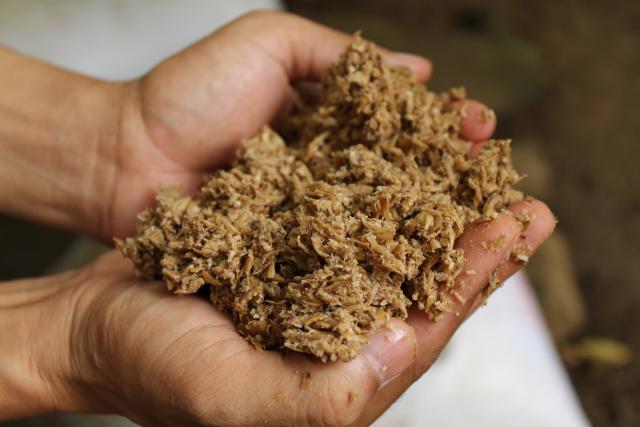
The beer brewing process, unfortunately, is not a wasteless one, with malted grain being the chief byproduct. This grain, usually barley but occasionally other things, is usually thrown away after it serves its role in brewing, and with so much beer being made, you can bet that there's a lot of grain being thrown out. A lot to the tune of 35 million tons. And while some of it is repurposed into things such as animal feed or biofuel, most of it ends up in landfills, where it generates a plethora of greenhouse gases. 

Enter a team of researchers from Singapore, who have developed a way to extract protein from this spent brewer's grain. This recovered protein is safe for human consumption and could be used in both supplements and in plant-based food normally low in protein.

The process is pretty straightforward: First, the grain is sterilized before being exposed to Rhizopus oligosporus, a fungus typically used to ferment soybeans in the production of tempeh, a food common in southeast Asia. Here, the fungus breaks down the grain's structure, making the protein more easily accessible. After the fermentation period, the grain is dried, crushed, and spun through a centrifuge to separate the protein. As much as 20% of the grain's total mass can be recovered, and while that still leaves a lot of waste, any amount of recycling is better than no recycling.

Beyond the recycled protein's obvious potential as a food supplement, the researchers also found them to be very high in antioxidants, pointing to potential as an ingredient in cosmetics. Antioxidant-rich proteins help protect skin against pollutants and can also extend the shelf life of things like lotions and moisturizers. These products likely wouldn't be cheap, but as the researchers note, two-thirds of people are willing to pay a premium to purchase products they view as being sustainable, good for the environment, etc. 

And you know what? That's honestly fair. We all like to think we're better than the common masses, but if Troeg's ever came out with a lotion or something that incorporated spent grain from their Troegenators, I'd probably be first in line to buy a bottle. Or five. Everything is better if it has beer in it. That's just a fact of life.


Friday, April 5, 2024

Golf Just Became A Little Bit Healthier

It's always fun to find a golf-related medical study in the wild. Golf is, after all, great for your health; you're outdoors for hours at a time, walking for miles while carrying a big heavy bag on your back. At least, that's how you should be playing it. Cart golf is for squares.

There is, however, a bit of a dark side when it comes to golf and health, and that's pesticide exposure. Golf may be intimately tied to nature and the great outdoors, but nobody can honestly call a golf course a particularly natural thing. They're 150-acre lawns, after all. And maintaining a lawn – and by extension a golf course – requires chemicals, chemicals that could potentially be harmful to humans.

Now, the most common pesticides aren't particularly dangerous to humans – golf courses aren't spraying their fairways with mustard gas – but we're still talking about a chemical that's specifically designed to be lethal, so to test just how much pesticide exposure golfers undergo during a typical round, a group of researchers from Massachusetts decided to conduct an ... interesting experiment.

You do have to give it to the researchers, they must have been very persuasive in order to convince eight golfers to play a round of golf on a simulated golf course literally drenched in pesticides moments before the round. Then again, golfers will play in some pretty wild conditions. 

Anyway, with their volunteers recruited and properly suited up to capture pesticide levels, the golfers were sent out for 4 hours to play their round. Afterward, the golfers who were in full-body protective suits had their suits analyzed, while those were not fully protected had their urine analyzed. And happily, pesticide exposure was low, despite the golfers playing in what the researchers described as a "worst-case" scenario, pesticide wise. There was some residue on the hands and lower legs, but airborne exposure was very minimal.

The researchers compared their results to a similar study conducted in 2008, finding that pesticide exposure has fallen dramatically in the 16-year interim. Modern pesticides, being less toxic and less volatile, have significantly reduced the adverse effects golfers experience from exposure. Obviously, you probably still want to wash your hands after a round, but nowadays, the biggest risk to your health you'll find on the golf course is the coronary you'll give yourself after your sixth three-putt of the day.

Saturday, March 30, 2024

The Tooth, The Whole Tooth, And Nothing But The Tooth

When you hear or see the word "microbiome," there's one part of the body that immediately comes to mind: the gut. Those billions and billions of bacteria living in your gut are usually the star of the health show, but today, let's turn the spotlight someplace else. A different microbiome, underappreciated and unloved.

This is the story of our mouth microbiome. Or, more accurately, a history.

The new research asked a pretty simple question: How did our ancestors' mouths differ from those in the modern day? To answer this question, the researchers performed a genomic analysis of a pair of teeth taken from a man who lived in Ireland 4,000 years ago, during the Bronze Age.  

To no one's surprise, the consensus is that the man's dental microbiome at the time of death was not exactly healthy, and in fact he was at high risk for developing cavities. Hey, let's see you have a healthy mouth when you live in a society without toothpaste. It did exist at this time, but not in Ireland. 

While the poor shape of the man's mouth isn't a shock, the reason behind it is rather interesting, as the teeth were rich in Streptococcus mutans, a bacteria very well known as a major contributor to tooth decay. Now, this doesn't sound like it should be a surprise, considering the aforementioned lack of toothpaste, but other ancient mouth microbiomes do not show nearly as much S. mutans. It's actually very rare to see this bacteria in people living before 1500 AD. 

In our Irish friend's case, the S. mutans had done such a thorough job taking over his mouth that other, more beneficial streptococcal species were basically absent. That said, there were plenty of other bacteria species in the sample. So many, in fact, that the ancient microbiome was more biodiverse than modern-day mouth microbiomes. In a lot of ways, ancient teeth were healthier than ours, mostly down to the lack of sugar in their diets compared to ours.

So, if you think you could pluck a person out of ancient history and they'd have a smile like this, think again. All our Irish friend needed was ye olde dentist, which is something pretty much everyone over on the British Isles need. Yeah, we're ending with a "British people have bad teeth" joke. You knew it had to happen.


Friday, March 22, 2024

That Gene Has Too Many Nucleotides, Apologize!

It's often said that there's only two things a person is guaranteed to experience in their life: death and taxes. And while there are probably a few studies out there about the medical effects of taxes, death and aging are a more prurient concern for doctors around the world. We spent billions and billions of dollars to stave off the slow march of time, and while healthy eating, exercise, and abstinence from things like hard drugs helps, it can't overcome one simple truth: Our genes degrade over time. 

There's been plenty of research into telomeres specifically – the DNA at the ends of our chromosomes, which shorten and degrade as we age. When the telomere reaches a certain critical point, the cell can no longer divide and either dies or becomes senescent, a fancy word for inactive. Telomere shortening has been associated with aging, cancer, a higher risk of death, all the things that come with getting older.

That said, telomeres aren't the only part of our genetic makeup letting the side down. According to new research from four research groups across Europe, there's an entire spatial dimension conspiring against us. That's right, it's time to start body shaming those wide, fat genes for ...

It's length. The longer the gene, the more likely it is to become less active as a person ages. Which makes a lot of sense, if you think about it. If a protein going around duplicating DNA has a 99% success rate, a gene with 10,000 nucleotides will have a lot more mistakes than one with only 2,000. The more complex the machine, the easier it is to break.

This is a big change from the current prevailing approach, which focuses on specific genes, rather than gene length over the entirety of our genome. But the researchers checked the molecular data from multiple organisms, from humans to bacteria, and gene length was associated with advanced aging in everything. They also noted that the genes involved with brain loss and Alzheimer's are extremely long, and that pediatric cancer patients who undergo DNA-damaging chemotherapy often experience advanced aging.

So, if you want to stay young forever, the answer is simple: Just tell your genes to put on the jean shorts and do their best Daisy Duke impression. Now there's a mental image you probably weren't expecting to experience today.

Friday, March 15, 2024

To Boldly Go Where No Head Has Ached Before

Space travel is a bit of a headache. Actually, that's underselling the problem, space travel is an enormous headache. There are so many things that can go wrong and so many things that need to be accounted for to keep astronauts safe in a cruelly punishing environment. You have to think about air, radiation, the lack of gravity ... the list goes on and on.

And now, if the metaphorical headaches weren't bad enough, astronauts also need to contend with the actual headaches. 

In research published in Neurology, 22 of 24 astronauts followed during a 7-year period of observation on the International Space Station experienced one or more instances of headache, with 378 headaches being reported over 3,596 total days in space. In addition, before going into space, only 38% of those astronauts experienced headaches; after returning to Earth, no astronaut reported experiencing headaches.

It's perhaps not surprising that headaches were worse during the first week in space, being both worse in severity and more likely to be migraine-like, but headaches continued to occur throughout each astronaut's time in space.

So, what's going on to make space both a figurative and literal headache? While the study authors stressed that the study findings only show an association between space travel and headaches, they added that it most likely comes down to the lack of gravity. Not only does zero G degrade your bones and muscles, it also affects balance and posture. Space motion sickness is extremely common, and while vomiting may be the first thing that comes to mind for astronauts who haven't gotten their space legs yet, headache is actually just a common a symptom of motion sickness.

Now obviously, there are bigger problems to tackle than space headaches when it comes to making human space travel possible. Still, it is an important issue to tackle. We don't want the first person to step foot on Mars to walk out of the lander and say "that's one small step for man, one giant leap for the ibuprofen keeping the migraines at bay."

Friday, March 8, 2024

Better Alarms, Better Patients ... Papa John's

When thinking of adjectives to describe a hospital, "quiet" would be very, very far from the top of the list. In fact, you'd struggle to think of a less-fitting word when it comes to the sonic chaos hospitals bring. And at the top of the noise pollution list are the literal legion of alarms doctors and nurses are subject to.

It does make sense, having so many alarms. Patients aren't admitted to hospitals lightly, and they do need to be monitored. If something unexpected happens, doctors and nurses need to know right away. But in the typical U.S. hospital, auditory alarms can go off up to 300 times per day per patient, and that is firmly in the realm of "make them stop" or "the beeping haunts my every waking moment." Patients have alarms for everything, including alarms to tell doctors that a different alarm was turned off or not reset.

This isn't just a matter of annoyance either; the Food and Drug Administration estimates that an average of about 100 deaths a year can be linked to alarm fatigue. This leaves hospitals with a bit of a dilemma: The alarms are all necessary, but only a few require immediate action. So, how can you differentiate crucial alarms from not-so-crucial ones, and how can you do it without driving doctors and patients to insanity and/or indifference?

The answer, according to a recent study, is to make alarms sound a bit more musical. The study researchers played a group of volunteers a sequence of notes with varying timbres (timbre is what makes instruments, voices, etc. sound different from each other, even if playing the same note); the volunteers were then asked to rank the alarms based on how annoying they found them. 

Perhaps unsurprisingly, the alarms which were least annoying were percussive in nature, with complex harmonies: The ping of a xylophone, specifically, over the monotonous beeping of a machine. Alarms based on the sounds of the triangle also represent a future area of study, the researchers said, as the triangle is quite famous for standing out in the crowd, audible even in a vast orchestra courtesy of its complex overtones.

Who knows, perhaps one day hospitals will become filled with music, a far cry from the feverish beeping and harsh alarms we know today. Just watch out for when a 4/4 string ostinado in D minor plays. Every sailor knows that means death.

Friday, March 1, 2024

Corner Bar? More Like Coronary Bar!

Imagine, for a moment, that it's the end of a very long week. Work's been killer. And you haven't found much comfort at home either. You've been on the move nonstop since Monday morning, and what you really want right now is a nice beer at your local neighborhood bar. Sometimes you want to go where everybody knows your name, and they're always glad you came. 

A cold beer after work may be one of life's great and simple pleasures, but you can always trust scientists to ruin the fun, and the concept of the local bar and/or restaurant is no exception. Enter a group of epidemiologists from Tulane University in New Orleans and their research into the relationship between heart health and proximity to ready-to-eat food environments. 

Specifically, the researchers pulled data from the UK Biobank – a massive database containing health information from over 500,000 adults – over a 12-year period, ultimately including 13,000 cases of heart failure. With that data collected, they measured the patients' proximity to ready-to-eat food establishments: bars and pubs, restaurants, and fast-food restaurants, as well as the density of those establishments.

Perhaps unsurprisingly, people who lived in high-density restaurant environments had a greater risk of heart failure pretty much across the board. Those who had high densities of bars and restaurants with 1 km of their home had a 16% greater risk of heart failure, compared with those who had no such outlets nearby. People who lived within 500 meters of a bar or pub had a 13% greater risk of heart failure, compared with those who lived more than 2 km from one.

While the finding linking heart failure and exposure to bars and restaurants is new, the authors noted that it is in line with expectations, since other studies have found similar links with disorders such as type 2 diabetes and obesity. To combat this, the researchers suggested improving access to healthier food choices and physical fitness facilities would likely reduce the increased risk of heart failure that goes along with unhealthy food and sweet, delicious beer. 

Now, whether or not people will choose to go to a salad bar instead of a beer bar is ... questionable, especially in England, land of the pub right down the street. And it just goes to show that, even in the Big Easy, land of Mardi Gras, every party needs a pooper.

Friday, February 23, 2024

When Good E. Coli Goes Bad

Is there a type of bacteria out there with worse press than Escherichia coli? There are strains of E. coli that are not only neutral toward their human hosts but beneficial, playing a key role in our microbiomes by producing crucial vitamins or preventing harmful bacteria from colonizing our digestive system.

But of course, the mainstream media can only ever report on the negative aspects of E. coli. Though to be fair, while the number of neutral or positive strains significantly outnumber the number of negative strains, those pathogenic strains can cause traveler's diarrhea (with nearly a billion cases around the world every year), urinary tract infections, sepsis, gastroenteritis, and Crohn's disease. And those are just the common diseases. Some strains can even produce Shiga toxin, which has been used as a bioterrorism agent. Maybe it's little wonder we have negative associations with a generally positive bacteria.

The big question then is why. Why are so many types of E. coli perfectly harmless while others will so prominently ruin your day? That's the question a group of researchers from Australia sought to answer, and the answer comes down to a single word: cellulose.

Yeah, cellulose isn't just for trees and belly fat. As it turns out, E. coli also produces cellulose, using it in the structure of its cell walls to anchor to our intestines. Pathogenic E. coli, on the other hand, possess a mutation that prevents them from producing cellulose. Without that compound, harmful E. coli are able to inflame and irritate the intestinal wall, eventually passing through and into the blood stream. From there, they're able to spread and multiply, causing the various maladies we've come to know and love from E. coli.

While the research is obviously important for the purposes of preventing future infections, the researchers noted that it's doubly important in the case of E. coli, which is actually the most common pathogen associated with antibiotic resistance. MRSA may get the attention, but of 5 million yearly deaths caused by antibiotic-resistant bacteria, 800,000 were caused by E. coli. Finding another way to bring wayward E. coli to heel would certainly benefit the world at large, though in the meantime, if you want to give your digestive system a little bit of a boost, why not munch on a piece of paper? It'll keep your microbiota in line, I promise. Totally not trying to go viral on TikTok. Nope. Not at all. 


Friday, February 16, 2024

CPR Bowl LVIII: Taylor Swift vs. The Bee Gees

It's Taylor Swift's world right now, we're just living in it. Just look at the past few weeks: Announcing new albums, winning the Super Bowl, hosting academic conferences, there truly is no corner of this world Ms. Swift doesn't have a connection to.

Okay, fine, I'm exaggerating her influence slightly. She's not actually hosting Swiftposium 2024, held this past week in Melbourne, nor will she be making an appearance. No, it was just hundreds of scholars and scientists from nearly 80 legitimate academic institutions from all over the world gathered to "critical dialogue about Swift’s popularity and its profound implications for a range of issues including gender, fandom, popular culture, literature, the economy, the music industry, and more."

Now that we've set the scene, let's backtrack a bit and talk about CPR. It's an important skill for people to learn; while it may not be able to jump-start a stopped heart on its own, CPR can keep the blood flowing and brain functioning well enough until proper medical equipment arrives. People in cardiac arrest who receive CPR are twice as likely to survive than those who don't. Simply put, CPR saves lives.

A crucial aspect of CPR is, of course, the chest compressions, which need to be delivered at a rate of 100-120 beats per minute. Do you know what else is delivered at a similar rhythm? Music. Specifically, the Bee Gees song Stayin' Alive, which has been used as a metronome for CPR for decades. It's 103 bpm, right in the optimal range, and of course, you can't beat that title for relevance. 

Unfortunately, Stayin' Alive is nearly 50 years old at this point, which means its moving even out of the "dad rock" realm and into the world of "stuff your grandparents liked." The world understands The New York Times' effect on man, and we've moved on to new artists and new philosophical dilemmas. Which means CPR instructors need new music to act as a guide for kids who've never heard of the Bee Gees. 

That's why a group from Monash University created a Spotify playlist of 54 Taylor Swift songs at the crucial 100-120 bpm range, perfect for CPR. It makes sense. It's tough to think of a more popular artist today than Taylor Swift, and love her or loathe her, younger people will absolutely know her music. 

“If you can utilise something that people love and use it to empower them to feel confident in learning a skill that could save someone, then that’s really powerful,” said Dr. Stephen Nicholls, director of the Victorian Heart Institute, who presented the playlist at Swiftposium 2024. “There’s a CPR-suitable song for every Swifty Era.”

And indeed there is. While nothing can beat "Stayin' Alive" for sheer on-the-nose accuracy, Taylor Swift songs such as Long Live, Soon You'll Get Better, and King Of My Heart are certainly appropriate enough to keep cardiac arrest patients alive. There are a few questionable choices though; I'm not so sure I'd want to perform CPR to the tune of You're Losing Me, Is It Over Now? or perhaps worst of all, You're On Your Own, Kid. "Oops, sorry, I'd save you, but the song says you're on your own, and what Taylor Swift says goes."

Friday, February 9, 2024

The Most Poo-tiful View On Earth

Climbing Mount Everest is a bucket list item for a lot of people. Deep down, even people who don't want to put themselves through the rigorous training necessary to climb the world's tallest mountain probably want to visit the summit and look down from the literal roof of the world. It's such an iconic landmark, and those who have reached the top probably consider climbing it the crowning achievement of their lives.

But to invoke an old idiom, "everything worth doing is worth overdoing." As hundreds of people clamor at the bit to climb Mount Everest every year, the waste around the summit builds. And because of the thin air and dangerous weather conditions, cleaning up Mount Everest is no easy task. If bodies last long enough in the open to become landmarks, trash certainly won't be picked up.

Of course, discarded granola bar wrappers aren't the only kind of waste deposited on Mount Everest. Which is why, from this day forward, all fecal material expelled during Mount Everest expeditions will have to be cleared and brought back to base camp for proper disposal, according to the local Nepalese municipality that governs the region.

It all comes down to Everest's extreme weather. At the high altitude, excrement doesn't degrade fully, and while in some places climbers bury their waste in the snow, there are other places on the mountain where there simply isn't enough snow to do that. The South Col in particular is a hotspot for accumulating poop, as it both serves as a final base before attacking the summit and is scoured clean by high winds. To be blunt, it stinks up there, and climbers are definitely noticing rocks stained with poop. Not exactly the bucket list experience people are hoping to have.

To get climbers through the roughly 2-week journey up and down the mountain from base camp, the Nepalese government will provide climbers with two bags filled with chemicals that will harden and de-stinkify deposited stool. Sounds more than a little gross, but these bags have been used in Antarctica and during expeditions up Denali, so they do work. It just goes to show you that Scrubs had it right: Everything does come down to poo.

Friday, February 2, 2024

"I Think I'm Sick ... Time To Party!"

It's a cliché you see play out in virtually every zombie movie: A beloved side character's been bitten, but no one saw them get infected. So they naturally claim to be perfectly okay if anyone asks, hiding the wound and pending zombie conversion. Then, a bit later, at the worst possible time, the infection will take over, and the protagonist will have dramatically kill their friend to spare the whole group. 

That leaves us on the other side of the screen to yell our frustration at the TV: "No, don't hide it, you're not going to beat the zombie virus, just confess and don't screw over everyone else!" Because if we were infected with a horrible illness that would harm other people, we would absolutely tell the truth about it, right?

About that ... 

In a series of surveys spanning several thousand people, researchers from the University of Michigan found that 75% of people reported hiding an infectious illness from others and would do so again in the future. Health care workers, who you would hope recognize the risk of being sick around sick people, were better about hiding their own infectious diseases. But not by much. Just over 60% of health care workers reported hiding illnesses. Thanks for that one.

Naturally, in one of the sub-surveys where people were asked if, in a hypothetical situation where they were sick with a severe illness of minor, moderate, or severe chance of spreading infection, not many people said they'd hide their infection. But in another sub-survey where actual sick people were included, those were sick were much more likely to say they'd keep their social plans and cover up their illness than healthy people were.

Now, seeing as this is the United States we're talking about, home of sucking it up and doing your work anyway (or else you're fired), one might imagine that most people felt pressured into working through their illness because their actual ability to live depended on it. And yes, that is a motivating factor. Some people definitely had to fight through an illness at work because they didn't have sick leave. But the most-reported reason for hiding illnesses was because it would interfere with social plans like dating, boarding a plane, or going to a party. You know, really important, vital things that you couldn't possibly miss.

Of course, having been through the pandemic, this research is really confirming what we already knew: That people are kind of dumb and terrible. Even the researchers themselves say that "solutions to the problem of disease concealment may need to rely on more than just individual good will." And if that's not an inspiring thought to finish off your week, I don't know what is.    


Friday, January 26, 2024

CAR T Could Be The Hero Of Tomorrow ... Or The Villain

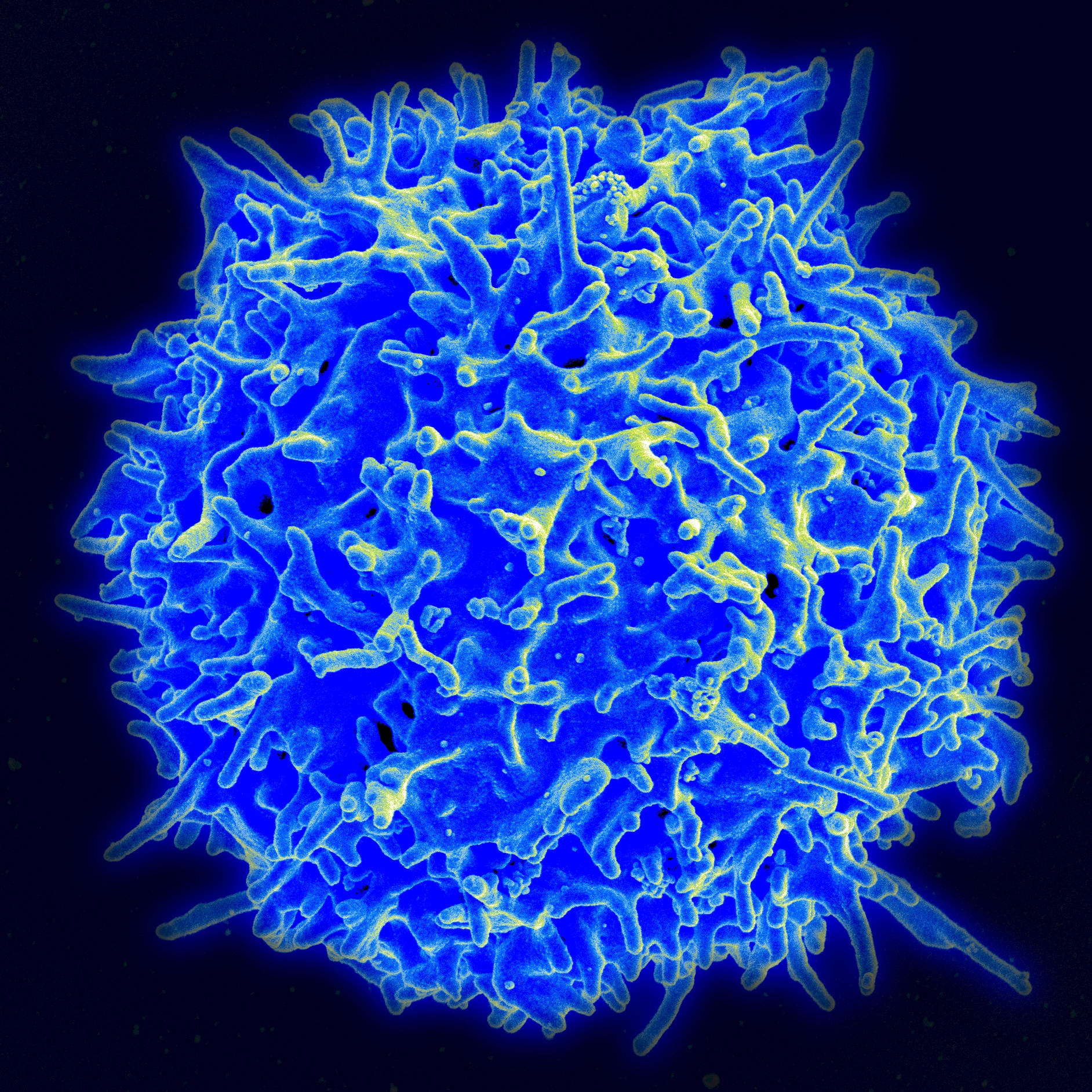
If you're a hematologist or oncologist, chimeric antigen receptor T cells have been a source of wonder and relief. While it's still early days for CAR-T treatment, which was first approved by the Food and Drug Administration in 2017, over 10,000 people with blood cancer have been treated with CAR-T drugs, and hematologists tend to think of CAR-T as a game-changer.

We'll circle back to that in a minute, but first, there's been an interesting bit of news regarding CAR-T from a group of researchers in New York. These researchers are seeking an answer to a fairly simple question: What if we didn't have to age? No biggie, right? 

To be more accurate, what the researchers were actually investigating is senescent cells – old cells that no longer replicate which build up in the body over time, causing damage and harmful inflammation wherever they go. While not the only source of aging and human maladies, senescent cells certainly contribute heavily to the wear and tear our bodies suffer as we get older.

We already have drugs that can eliminate senescent cells, but as the researchers noted, these treatments require constant transfusions. But when they tested CAR T cells in mice after modifying them to target senescent cells, they discovered that the mice lived permanently healthier lives after just one treatment. Lower body weight, improved metabolism, increased physical activity, and best of all, this happened without causing tissue damage or toxicity. Older mice were rejuvenated and refreshed, while younger mice simply aged slower.

Now, humans live a lot longer than mice, so it's likely we'll need multiple transfusions over the course of our lifetimes to sustain the CAR T anti-aging effect, but we're still talking periods of years rather than days or even hours for current anti–senescent cell drugs. And if we've learned anything from the Ozempic debacle, people will absolutely line up to take a miracle drug, even if it means taking away from the people who actually need it.

And speaking of patients who actually need CAR T cells, they've been in the news for another, more interesting reason. The FDA has told the various CAR T manufacturers to add a warning to the labels of their respective drugs, noting that their anti-cancer products ... can cause cancer.

Since the first approval of a CAR T drug, the FDA has received 25 reports of rare blood cancers in patients who underwent CAR T treatment. In additions, multiple studies have been recently published that have noted a potential link between CAR T and new blood cancers.

Well, this is awkward.

It isn't actually as bad as it sounds. Ignoring the slight irony of people developing a new blood cancer after undergoing treatment for their initial blood cancer, 25 people is less than 1% of the total number of people who have received CAR T treatment. Also, it's still unknown whether or not the relationship between CAR T and these new blood cancers is causal or coincidental. The problem could very well be other things associated with cancer treatment, such as radiation or chemotherapy.

The solution then is really quite simple for cancer patients: Rather than bundling your cancer treatments all together, you should really order your chimeric antigen receptor T cells on their own. You know, à la CAR T.

I'll show myself out.

Friday, January 19, 2024

They May Take Our Lives, But They'll Never Take Our Oversized Wine Glasses!

Ah, alcohol. The cause of, and solution to, all of life's problems. You do so much for us, and yet, you're so bad for us. 

It is an unfortunate truth that, for as great as a nice bottle of beer is, alcohol is a public health nightmare. Alcohol consumption is the fifth largest contributor to premature death and disease across the world, responsible for upward of 3 million deaths a year. The battle between alcohol and no-fun "there is no safe level of alcohol consumption" public health experts is never ending, but now, thanks to a new study, the doctors have a new weapon in their arsenal.

The premise of the study, conducted in England – a place where you quite literally can't take a step without stumbling into a pub – was simple: How is alcohol consumption affected when pubs stop offering their largest size of wine glass? 

For 4 weeks, a group of 20 pubs simply stopped offering their largest wine glass – 250 mL in all but three cases. And this intervention did indeed result in a small but noticeable 7.6% reduction in daily wine consumption. More importantly, beer and spirits sales showed no noticeable increase, daily revenues were not affected, and just four of the establishments included in the intervention received complaints about the missing wine glass.  

So, what does this mean overall? Well, for one, the researchers said that people who frequent drinking establishments generally limit themselves to a specific number of alcoholic units. Which makes sense, if you have to drive home, you can only drink one or two beers or glasses of wine. The size is a secondary concern; if bars offer smaller sizes and people drink the same number of drinks, quite naturally the amount of alcohol consumed is reduced. Your liver is happy, the bartenders are happy, the doctors are happy, everyone wins. 

There is, however, just one problem with this study. Sure, the English didn't complain much, but they have their whole stiff upper lip thing going on. Try this study again in Scotland and we'll see how they take it. The headline practically writes itself: "Wine consumption in Scotland down, scotch consumption up 500%."

Friday, January 12, 2024

A Great Artificial Eye ... Lidless ... Wreathed In Tears

Science is weird sometimes. The things researchers do in order to prove a hypothesis or solve a problem can often come out as morally or ethically ... odd, to be generous. And growing crying human tissue in a petri dish? Yeah, that definitely comes down on the "manmade horror beyond human comprehension" side of things.

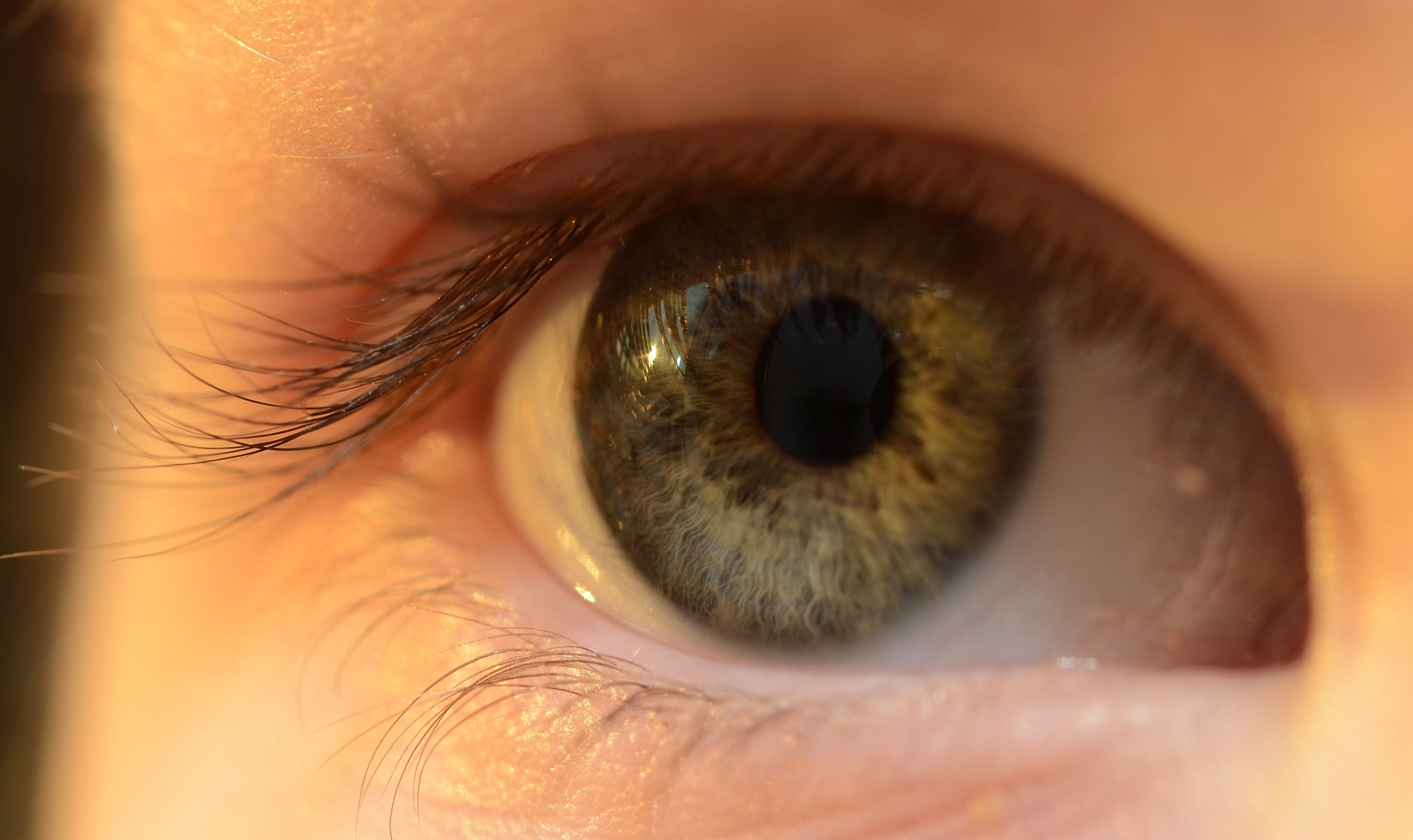
Okay, okay, it's a little more complicated than that. In reality, we don't have good models of human conjunctiva – the tissue that covers the white of the eyeball and the inside of the eyelid. It's a complete mystery as to why. "Why sure slightly overeager doctor, please harvest the outsides of my eyeballs! Sounds like a great and not at all traumatic experience."

Unfortunately, since we do know so little about the conjunctiva, growing an artificial version did involve harvesting naturally occurring human conjunctiva. But only a little, we swear! Most of the conjunctiva organoids the researchers experimented were artificial and grown in the lab.

Oh, you knew there would be experiments. It was never going to be enough to simply create crying human tissue. We needed to give it a reason to really cry. Hey, plenty of diseases affect the conjunctiva, we have to start somewhere in order to help treat those diseases.

And funnily enough, as the researchers exposed their artificial eyes to various stimuli, simulating different allergens, they found something unexpected: Tuft cells, which have never been found in the eye before. These cells are more typically associated with the intestines and their involvement with GI disorders like Crohn's disease. In the conjunctiva organoids, the tuft cells multiplied when the organoid was exposed to allergens, suggesting they play a role in the eye's reaction to allergies.

In addition, being able to grow conjunctiva in a lab suggests a future ability to replace damaged conjunctiva; that means people with ocular burns, eye cancers, or even genetic disorders that have damaged the eye could have their eyes repaired. It's just too bad Sauron spent all his time trying to conquer Middle-Earth; if he'd invested into ocular research maybe he could have grown himself some conjunctiva to combat that intense dry eye he had going throughout the Third Age.


Friday, January 5, 2024

Life's No. 1 Question, Finally Answered

Why is our urine yellow? It's almost as basic a question as "why is the sky blue?" And yet, the answer to the first question has been surprisingly elusive. Until now.

Perhaps it's slightly disingenuous to say we don't know why our urine yellow. We've actually known for over a hundred years that urobilin is the specific chemical compound responsible for that yellow coloration, and that the more well hydrated you are, the lower the urobilin concentration and the clearer the stream.

The question we didn't know is where the urobilin comes from, and that's the question a team of researchers from the University of Maryland have answered. And as with so many health-related issues, it all comes down to your gut microflora. Those little guys show up in so many places, being linked with diseases as varied as inflammatory bowel disease (duh), allergies, diabetes, and even depression. 

So, what's the gut microflora's role in this little escapade? To answer that question, we actually have to go even deeper into the body, right down to the blood that pumps through our veins. Red blood cells don't last forever. And as they degrade, they secrete a bright-orange chemical called bilirubin, which is moved into the gut so it can be excreted, reabsorbed, or in this case repurposed into something else. 

In this case, our gut microflora process the excess bilirubin by producing an enzyme, bilirubin reductase, that changes bilirubin into a byproduct called urobilinogen. If that sounds a lot like our original culprit urobilin, it should; urobilinogen doesn't last long before it spontaneously degrades into urobilin.

While this newfound urine origin story is very cool, the researchers went a step further and investigated the urine of multiple people, finding that bilirubin reductase is actually often missing from both newborns and people with inflammatory bowel disease. Could we be looking at a potential means of treatment for gut-related diseases? Perhaps, but the researchers noted this is merely the foundation for further research, not an end goal. Typical scientists, they're going to make us all sit through an entire 3-hour movie before we can cure all our pee-based diseases, and we don't even get intermissions anymore. That bathroom is going to be FULL when the movie ends.   


Friday, December 29, 2023

Dr. Mario, You're Needed In The Psych Ward, Stat!

The holidays can be a tough time for a lot of people. Maybe it's been a tough year, maybe you can't get back home to visit family, or maybe you work retail and you've had to listen to Mariah Carey sing the same song 50 times a day for the past 2 months. The point is, much like Charlie Brown, depression can run rampant as the days grow short and the nights grow bitterly cold.

Fortunately, for those of you side-eying Snoopy's gaudy Christmas display as hard as Charlie Brown did, another pop culture icon is here to alleviate the blues, holiday or otherwise, courtesy of a study published by a group of German scientists. According to them, recent research has shown video games to have some promise in alleviating symptoms of major depressive disorder, so to further test this theory, they gathered a group of 50 people with MDD and split them into three groups for a 6-week intervention. The first group received standard therapy, the second group received a cognitive training computer program called CogPack, and the lucky third group received Nintendo Switches.

Gee, it sure is a mystery why the third group saw the biggest improvement in their depressive symptoms.

Okay, okay, fine: the third group were directed to play Super Mario Odyssey for the intervention period on provided Switches. However, the results were no joke, as those who got to jump around New Donk City with everyone's favorite Italian plumber saw a 50% improvement in their depressive symptoms, compared with the improvements seen with those who received CogPack, and even beating out those who received standard MDD therapy. 

In addition, and to absolutely no one's surprise, the Super Mario Odyssey group also reported significantly higher motivation to continue their treatment, compared with the CogPack group. So, big thanks to the scientists of Germany, who have effectively told us that people would rather play a critically acclaimed video game than a boring educational computer program. Stay tuned for next week's big news story: People prefer Legend of Zelda: Tears of the Kingdom to having their teeth pulled out.